Progressive Pokies Cold Numbers: A Different Way to Read the Jackpot Trail
Most players treat a hot streak as the only signal worth watching, but there is another side to the same machine logic that deserves a closer look. Progressive pokies cold numbers are less about chasing a win and more about reading how a jackpot pool behaves when it has been quiet for a stretch. For anyone who plans their sessions around timing rather than impulse, that shift in perspective can matter more than the usual hype.
When a machine sits idle, the pool often accumulates in predictable patterns that seasoned operators track before the next cycle begins. Understanding these quiet phases can reveal when the momentum is likely to shift, which is why many analysts cross-reference pokies cold numbers with broader market trends at https://australianracinggreyhound.com. Tracking those subtle shifts helps players separate genuine mechanical pauses from random noise.
How the concept fits into a modern pokie session
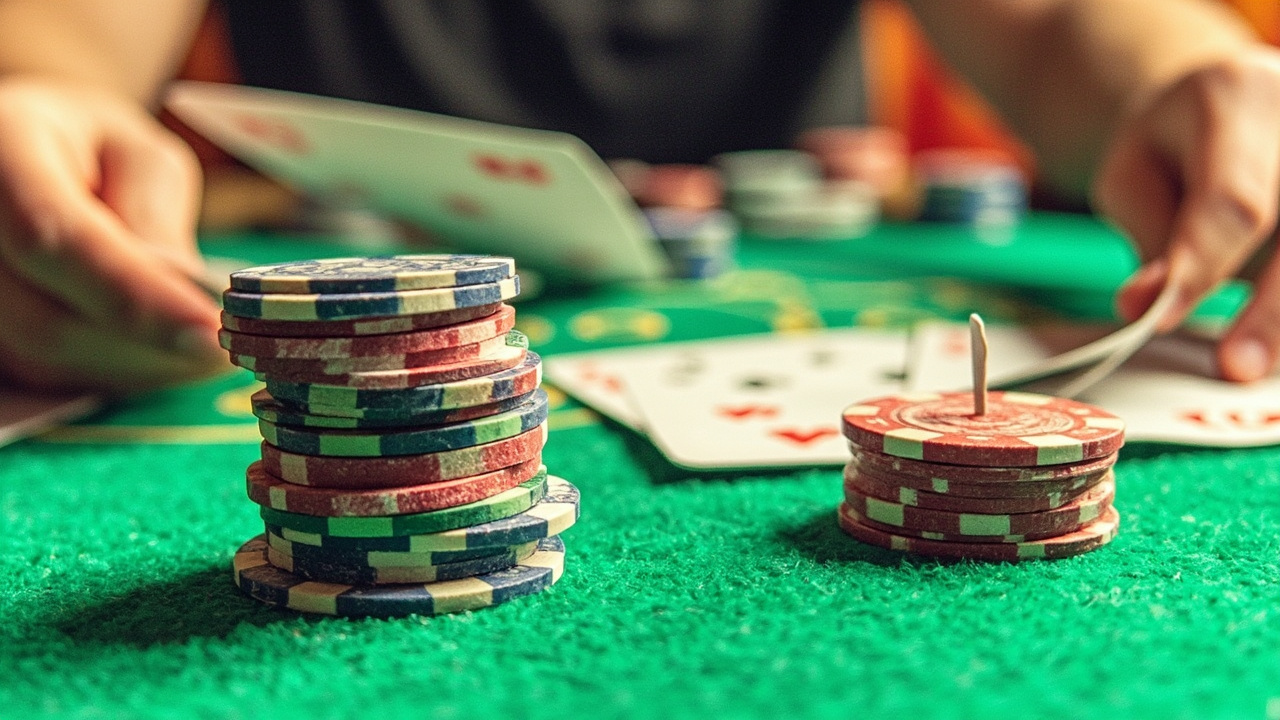
The idea behind progressive pokies cold numbers is straightforward enough once you set aside the folklore: a progressive pool that has not paid out in a while is not necessarily “due,” but it does tell you something about recent traffic, bet sizing, and how long the network has been accumulating without a reset. A measured player uses that information to decide whether a session is worth starting, how long to stay, and whether the current pool size justifies the stake. That is a different priority from the usual rush to spin because a screen looks flashy.
I have seen the same pattern in search visibility work, where a page that has been quiet for months can suddenly surface because the underlying signals finally line up, not because the algorithm became generous overnight. The parallel is useful here. A cold progressive pool is a signal, not a promise, and treating it like one keeps expectations realistic. For Australians reading this from a Hobart café on a wet arvo, the practical takeaway is simple: look at the pool history, note the gap, and decide whether the setup matches your bankroll rather than your mood. If you want a concrete example of how a themed title can still sit inside a broader progressive network, you can compare timing against notes on a free play version of the game on big bass bonanza slot, which helps separate theme from jackpot behaviour before you commit any stake.
Cooper Collins, Strategy Director, Red Centre Analytics, puts the caution plainly: “Cold numbers are useful for pacing, not for prediction, and anyone who treats them as a forecast is misreading the machine.” That is the right frame, and it is the one I apply when I advise operators on how to present jackpot information without creating false urgency. The point is not to sell a system. It is to give players a clearer way to judge whether a session is worth starting at all.
What the mechanics actually look like on the floor
How a cold pool is identified in practice
A progressive pool is usually labelled cold when it has gone a defined stretch without a top payout, and the exact window depends on the network rather than any universal rule. Some players track the gap by checking the displayed jackpot value against recent resets, while others watch how often the pool ticks upward between sessions. The useful detail is not the label itself but the consistency behind it: a pool that climbs slowly and steadily is telling you something different from one that jumps in irregular bursts. Both can be cold by the calendar, but they are not the same experience at the machine.
What the numbers do and do not tell you
The honest reading is that cold numbers can inform pacing and stake choice, but they cannot tell you when the next payout arrives. That distinction matters because it keeps the data in its proper place. A long gap may simply reflect a network that has been accumulating across many low-to-moderate stakes, not a machine that is building toward a release. When I review how a brand presents this kind of information, I look for clarity over drama, because the presentation shapes what players think they are buying into. A responsible setup explains the gap, shows the current pool, and avoids language that implies a release is around the corner.
Where the limits and licensing reality sit
Any serious read of progressive pokies cold numbers has to account for the regulatory frame around the game, because the pool behaviour and the player experience are both shaped by the jurisdiction. State-level regulators set the boundaries for how information is displayed and how promotions are framed, which means the same jackpot mechanic can look different from one side of the country to the other. A player in Hobart is not just dealing with a screen and a bankroll; they are also operating inside a local compliance environment that affects what is disclosed and how. That is not a detail to gloss over, because it changes what the numbers can reasonably be used for.
Ethan Hughes, Customer Experience Lead, Wattle Gaming Partners, makes the point from the operator side: “If the displayed information is clear, players can use the cold period to make a steadier decision instead of treating it like a countdown.” That is the kind of framing that keeps the mechanic useful without inflating it. It also lines up with how I judge brand reputation in search: the sites that age well are the ones that do not overstate what their data can do.
Who this approach suits best
This is not a method for anyone who wants a fast, high-energy session on a whim. It suits players who are comfortable tracking a pool over time, who prefer a steadier pace, and who are willing to let the numbers inform a decision rather than drive it. If you like to compare a few details before you commit, and you do not mind sitting out a cold stretch rather than forcing a spin, the approach has a natural fit. It is less about excitement and more about control, which is a different priority from the usual pitch.
Cameron Baker, Board Member, Australian Gaming Futures, frames the broader question well: “The useful question is not whether a pool is cold, but whether the player’s plan matches the information in front of them.” That is the test I apply when I look at how a brand positions itself to real users, because fit matters more than hype. For Australians weighing this up locally, the practical consequence is that you can use the cold period to decide whether the session suits your bankroll and your schedule, not to predict an outcome. You still need to respect the rules of the room, the limits of the game, and the fact that no reading of the numbers removes the ordinary risk of play.
A practical read for local players
What this means for Australians is straightforward: treat progressive pokies cold numbers as a pacing tool, not a forecasting tool, and let that shape how you approach a session. Check the pool history, note the gap, and decide whether the current setup matches your stake and your patience. If the numbers help you walk away from a poor fit, they have done their job. If they tempt you into thinking a payout is overdue, they have done the opposite. The difference is in how you use the information, and that is where the real value sits.
Progressive pokies cold numbers are best read as a way to slow down a decision that is usually made too quickly. They do not remove the uncertainty of the game, and they do not turn a cold pool into a sure thing. What they can do is give a careful player a clearer basis for choosing when to start, how long to stay, and whether the current setup is worth the stake. For anyone who prefers a measured session over a rushed one, that is a useful distinction, and it is the one worth keeping in mind.